
Hear from Our Customers
You don’t want to guess about mold. You want to know if it’s there, what type it is, and how far it’s spread.
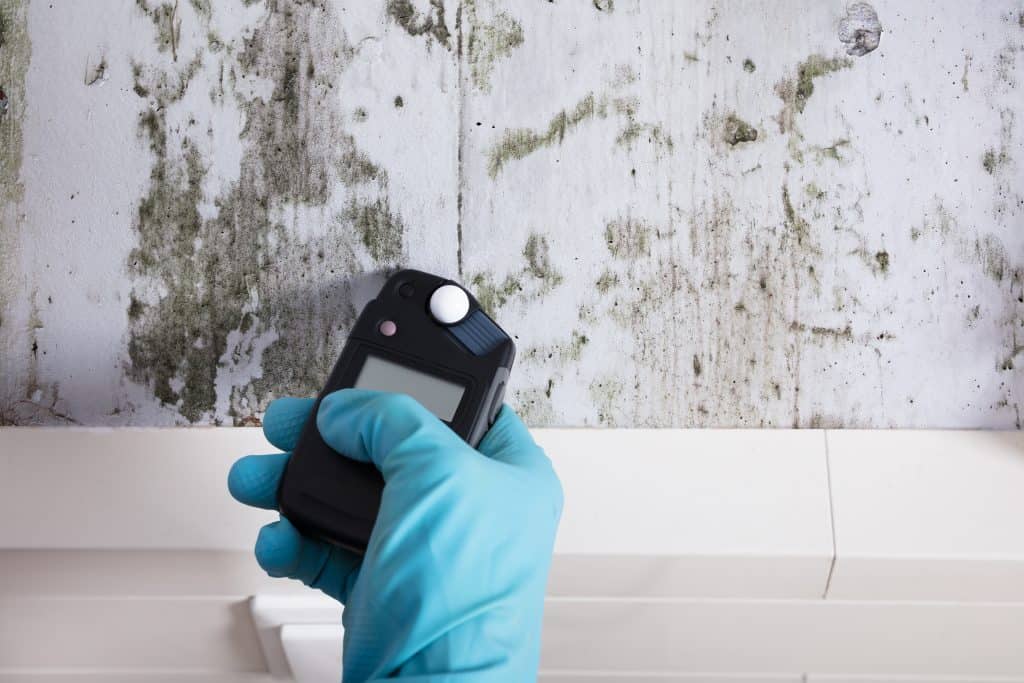
That’s what professional mold testing does. We use air sampling, surface testing, and thermal imaging to detect mold you can’t see—behind drywall, under flooring, in your HVAC system. You get a clear picture of what’s happening in your home, not a vague suspicion.
Once we know what we’re dealing with, you can make informed decisions. Maybe it’s a small issue you can address quickly. Maybe it’s something that needs immediate attention before it damages your property or affects your family’s health. Either way, you’re not operating in the dark.
Testing also gives you documentation. If you’re selling your home, dealing with insurance, or just want peace of mind, you’ll have a professional report that shows exactly what’s going on.
We’ve been serving Casey Highlands and Bucks County for years. We’ve seen what Pennsylvania’s humidity does to homes—especially older ones built before modern moisture barriers became standard.
Basements that stay damp year-round. Attics with poor ventilation. Crawl spaces that trap moisture during our humid summers. These aren’t just inconveniences—they’re perfect conditions for mold growth.
We’re certified mold inspectors who understand how homes in this area are built and where problems typically show up. We’re not here to upsell you or create problems that don’t exist. We test, we report, and we give you straight answers about what comes next.
We start with a visual inspection of your property. We’re looking at the usual suspects—basements, bathrooms, attics, crawl spaces—but also checking areas most people overlook, like behind appliances and inside HVAC systems.
Next comes air sampling. We collect air samples from different areas of your home and send them to a lab for analysis. This tells us if mold spores are present and at what concentration. It also identifies the specific type of mold, which matters because not all mold is the same.
If we see visible growth or suspect hidden contamination, we’ll do surface testing. We take samples directly from affected materials to confirm what’s growing there. We also use thermal imaging to detect moisture patterns behind walls and ceilings—moisture you can’t see but that could be feeding mold growth.
After testing, you get a detailed report. It explains what we found, where we found it, and what it means for your home. If remediation is needed, we’ll walk you through your options. If it’s minor, we’ll tell you that too.
Ready to get started?
Your mold inspection covers every area of concern in your home. We examine basements, which are especially vulnerable in Casey Highlands due to groundwater seepage and naturally high humidity levels. We check attics where poor ventilation traps warm, moist air. We inspect bathrooms, kitchens, and laundry rooms where daily water use creates ongoing moisture exposure.
We use multiple testing methods because different situations call for different approaches. Air sampling detects airborne spore levels throughout your home. Surface sampling identifies mold growing on walls, floors, or other materials. Thermal imaging reveals hidden moisture behind surfaces—often the first sign of a developing mold problem.
You’ll receive a comprehensive report documenting everything we find. It includes lab results identifying mold types and concentration levels, photos of affected areas, and moisture readings from our inspection. Most importantly, you get clear recommendations about next steps.
Pennsylvania’s climate makes mold testing especially important here. Our humid summers push indoor humidity to 75-80%, and temperature swings create condensation in poorly ventilated spaces. Older homes in Bucks County face additional challenges—many lack modern vapor barriers and were built with materials that readily absorb moisture. Professional testing accounts for these local factors.
Mold testing costs vary based on your home’s size and how many samples we need to collect. A basic inspection with air sampling typically runs a few hundred dollars. More extensive testing—multiple rooms, surface samples, lab analysis—costs more.
Here’s what affects the price: square footage, number of testing locations, type of sampling required, and lab fees for analysis. A 1,500 square foot home with suspected mold in one area costs less to test than a 3,000 square foot home where you’re concerned about multiple rooms.
We offer free inspections to assess your situation before any testing happens. During that visit, we’ll give you an upfront estimate based on what your home actually needs—not a one-size-fits-all price. No surprises, no hidden fees.
A mold inspection is a visual assessment. We walk through your home looking for visible mold growth, water damage, moisture problems, and conditions that promote mold. We check common problem areas and use tools like moisture meters and thermal cameras to find hidden issues.
Mold testing goes further. We collect samples—air samples, surface samples, or both—and send them to a lab for analysis. The lab identifies specific mold types and measures spore concentrations. Testing gives you scientific data about what’s in your home.
Most people need both. The inspection finds problem areas and determines where testing makes sense. The testing confirms what type of mold is present and how severe the contamination is. Together, they give you a complete picture. You might not need testing if there’s no visible mold and no signs of moisture problems. But if you’re experiencing unexplained respiratory issues, smell musty odors, or have had water damage, testing is worth it.
The on-site inspection usually takes one to two hours, depending on your home’s size and how many areas we’re examining. We’re thorough but efficient—we’re not going to waste your time.
Air sampling adds another 30-60 minutes. We set up equipment in different rooms to capture samples, and each location needs time to collect enough air. Surface sampling is quicker—just a few minutes per sample.
Lab results typically come back within three to five business days. Some labs offer rush service for an additional fee if you need answers faster. Once we receive the results, we’ll contact you to review the findings and discuss next steps.
The entire process from inspection to final report usually takes about a week. If you’re dealing with an urgent situation—active water damage, severe respiratory symptoms, or a real estate transaction deadline—let us know. We’ll prioritize your testing and work with the lab to expedite results.
Home mold test kits are available at hardware stores, but they have serious limitations. Most are petri dish tests—you expose a dish to air in your home, seal it, and wait to see what grows. The problem is that mold spores are everywhere. These tests will almost always show mold growth, but they won’t tell you if you have a problem or just normal background levels.
They also can’t tell you where mold is growing or what type it is. A positive result doesn’t indicate whether you’re dealing with common mold or something more concerning like black mold. And they don’t measure concentration levels, which determine whether remediation is necessary.
Professional testing uses calibrated equipment and accredited labs. We collect samples using methods that meet industry standards. The lab analysis identifies specific mold species and provides quantitative data you can actually use to make decisions. We also interpret the results in context—what’s normal for Pennsylvania homes, what indicates a problem, and what requires immediate action.
If you’re considering a home test kit to save money, understand that you might end up paying for professional testing anyway once you realize the kit didn’t answer your questions. Better to get accurate information the first time.
The most common mold we find in Bucks County homes is Cladosporium. It grows on wood, drywall, and fabrics, especially in damp basements and poorly ventilated attics. It’s usually black or green and thrives in the temperature range typical of Pennsylvania homes.
Aspergillus is also prevalent. It appears in various colors and grows on dust, insulation, and paper products. You’ll often find it in HVAC systems where it spreads spores throughout your home every time the system runs.
Penicillium shows up frequently in water-damaged areas. It’s the blue-green mold you might see on old food, but it also grows on wet building materials. It spreads quickly and produces a strong musty odor.
Stachybotrys—commonly called black mold—is less common but more concerning. It requires consistent moisture and grows on materials with high cellulose content like drywall and wood. It’s typically dark green or black and has a slimy texture. This is the mold people worry about most, and for good reason. It produces mycotoxins that can cause serious health issues.
Pennsylvania’s climate creates ideal conditions for all these molds. Our humid summers, temperature fluctuations, and older housing stock mean most homes have had moisture issues at some point. Professional testing identifies which molds are present and whether concentrations are high enough to warrant concern.
Yes, but with context. Testing tells you what mold is present and at what levels. We compare those levels to normal outdoor air and established guidelines for indoor air quality. If your indoor spore counts are significantly higher than outdoor levels, or if we find toxic mold species, remediation is typically recommended.
The report also considers where mold is growing. Surface mold on a bathroom tile is different from mold inside your walls or HVAC system. Location affects both health risk and remediation complexity.
We’ll walk you through the results and explain what they mean for your specific situation. Sometimes testing reveals minor issues you can address yourself—improving ventilation, fixing a small leak, cleaning a limited area. Other times, it shows contamination that requires professional remediation to safely remove.
Testing also establishes a baseline. After remediation, we can retest to confirm spore levels have returned to normal. This verification protects you and provides documentation that the problem was properly resolved—important for your health, your home’s value, and any insurance or legal matters.
Other Services we provide in Casey Highlands